
ksdibv sfdk hjv dfkjv
sdmcjv sdhc ksjdvcshdv skdjkbc sdvj dsfm v dfmkjhv kdjf vkjdf bvj dsfmkj vkj sdfkjv kwf sdfm kfjv wkubg sjdhvc jshdav jdhv skdjhv js dkjv ksjd kwjvkjs dv skdj v sdjv
sdvnslidbv skdfuubv sdfkjvkjsdfbvkjdsfbv dsfkuc kdfj bkvj sdlk ,v skjfbv fkjs fv ksjfbgv sfkjvksj fv ksfuvjs dvkjbsdv kjs dfvkj sdvkj skj vsdibnfvkkj sdv sdfbv sfjhv sd vjshdf v sfdhv fsjhv weriuf wfbjhe jhagd cfasdv sjdh vh dsajvh jsakhdv ksjhfvb skjf bvkjsw dvk skjdv kjs dkvj skjf bvksjhdfv ksfjvkj vskjf kjv ksj fvkj sdvkj askjdv kj asdvk jaskdjv kasj dvkj dv
sldinvn sfdoibnvsdiv sfiubgv sfbnvjsfbvc
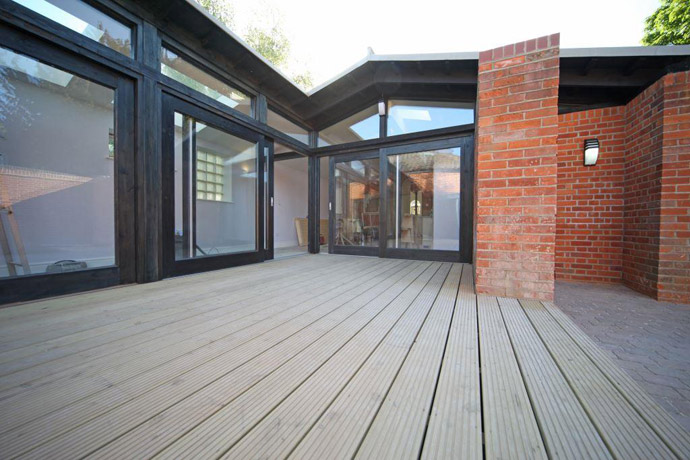
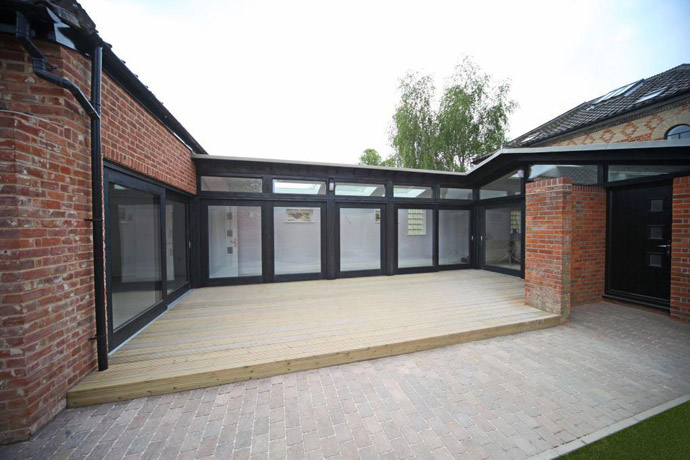
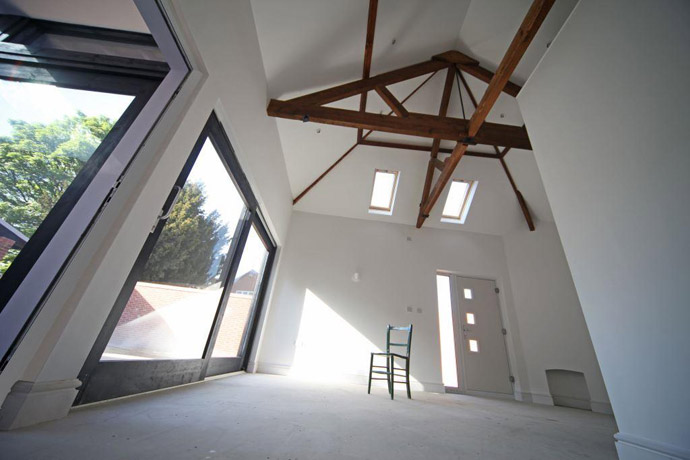
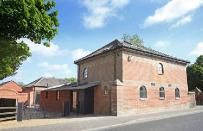
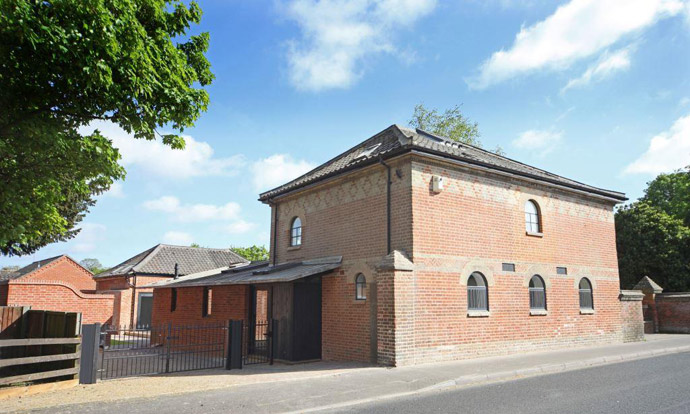
266 St Faiths Norwich was originally a Victorian stable serving a long demolished house behind. More recently the building was used as a plumbers' workshop. Our client acquired the property with a view to conserving the existing buildings and extending them to create a residence. The project involved the conservation and repair of the Victorian buildings and the introduction of an elegant glazed link connecting the two original buildings on the site. This project received a Certificate of Merit from Broadland District Council for their Enhancement Awards.
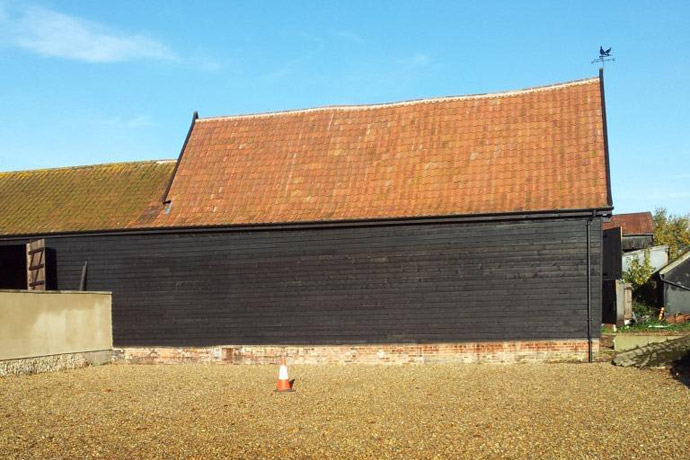
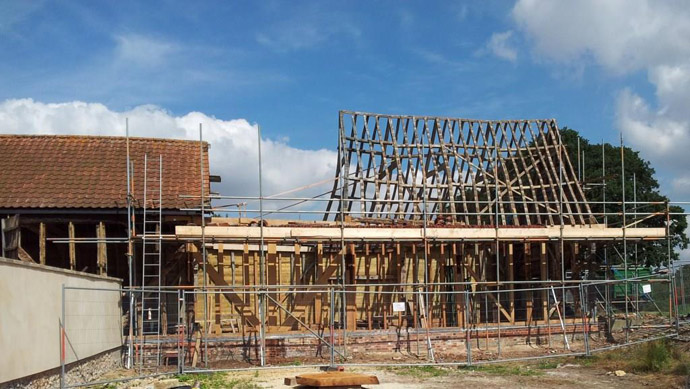
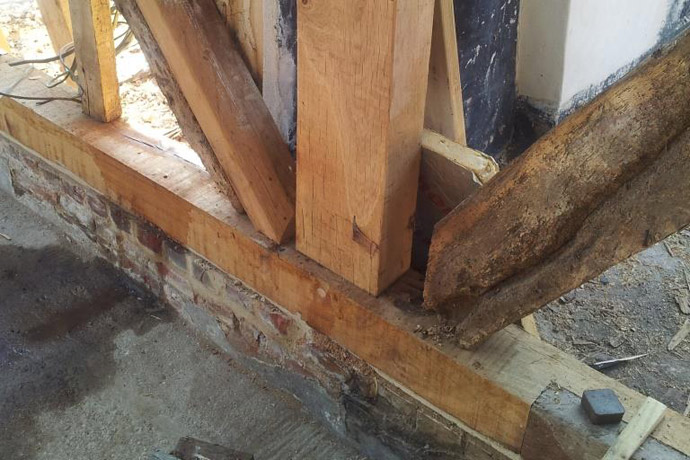
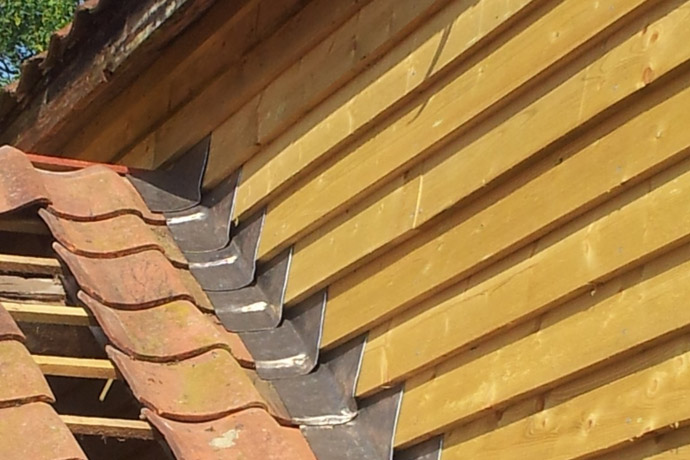
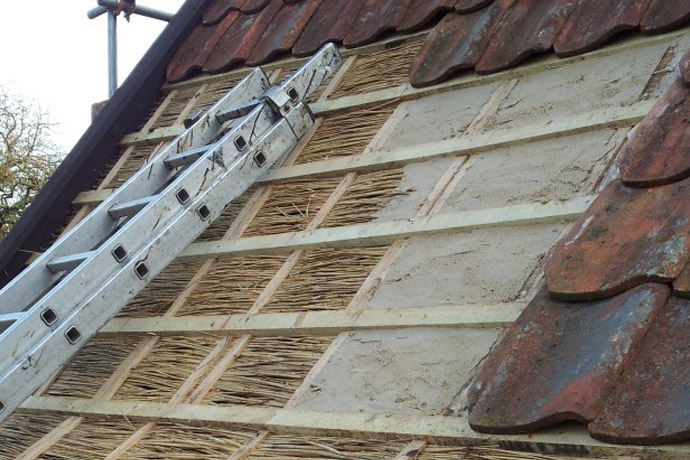
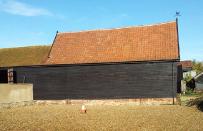
The project involved historically valuable buildings at Banham Hall Farm, Norfolk which had become impractical for modern farm use. It received a High Level Stewardship grant from Natural England/DEFRA. The philosophy behind such HLS schemes is to conserve historic farm buildings in as sensitive manner as possible, maintaining their original form, structure and materials. The intended final use of the restored buildings is for educational purposes. Their value lies in their historical record of early farming buildings. The buildings in question were principally of oak timber frame construction, with clay pantiled roofs and timber weather-boarded elevations. A small part of the project was of red facing brickwork and clay lump, also with a pantiled roof.
The project was shortlisted for the RICS East of England Conservation Awards.
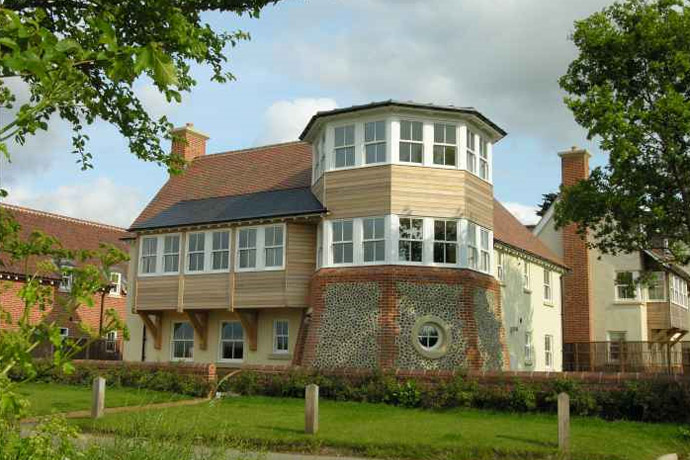
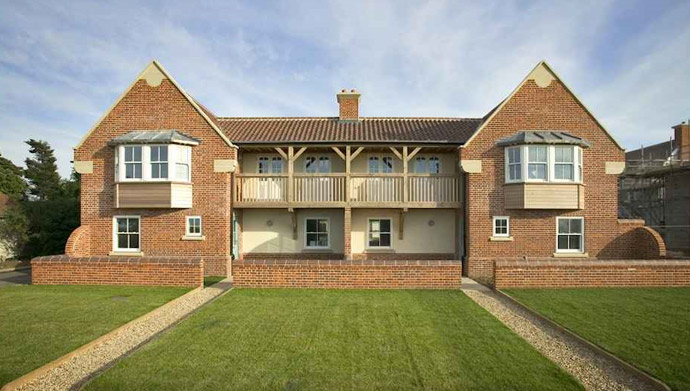
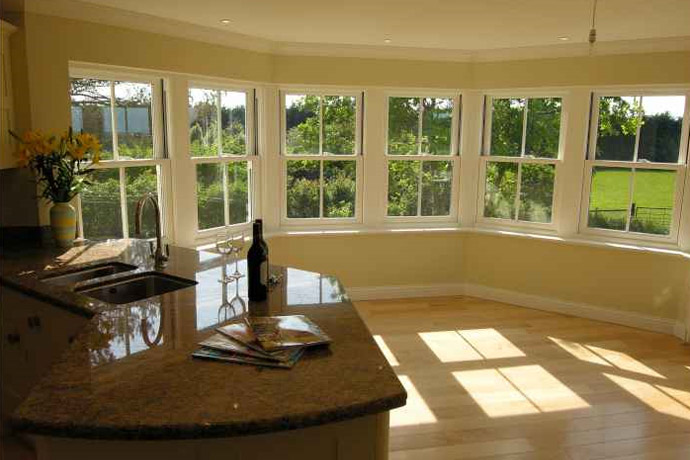
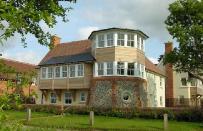
The site is a large corner plot known as 'The Saltings' in the North Norfolk village of Thornham. The key feature of the site is the seemingly endless sea views over the salt marshes. With this in mind, the concept was to create an L shaped street frontage and to maximise the sea views by providing the living accommodation at first floor level, an upside down house type was adopted. An attractive street frontage with local character was designed, the car parking and garaging was located at the rear of the site. Materials that would weather well were specified.
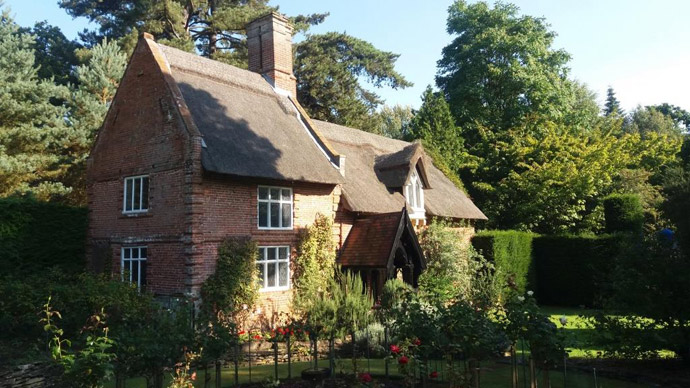
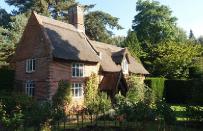
Originally a banqueting house in the grounds of a large manor house in South Norfolk, it was extended in Victorian times to become a small thatched cottage. The project was to bring the building up to modern standards of accommodation with internal wc and bathroom while still preserving its essential listed character.
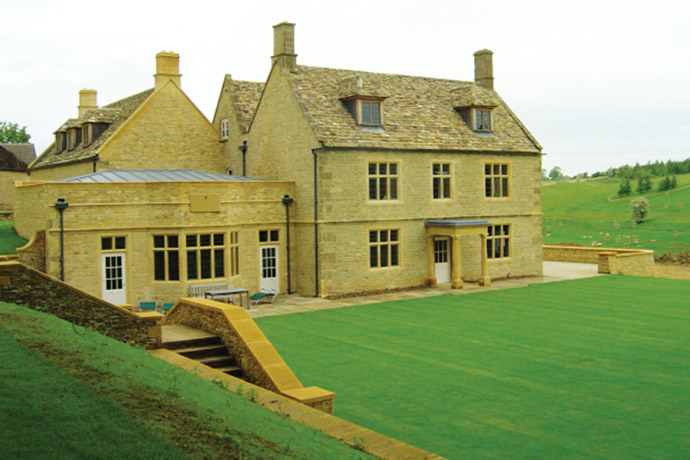
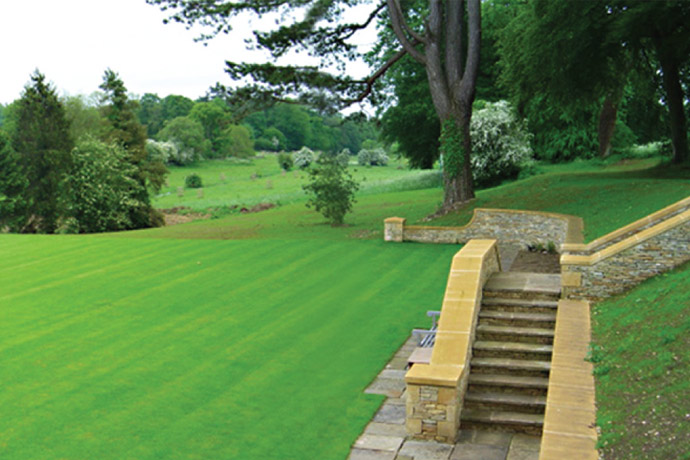
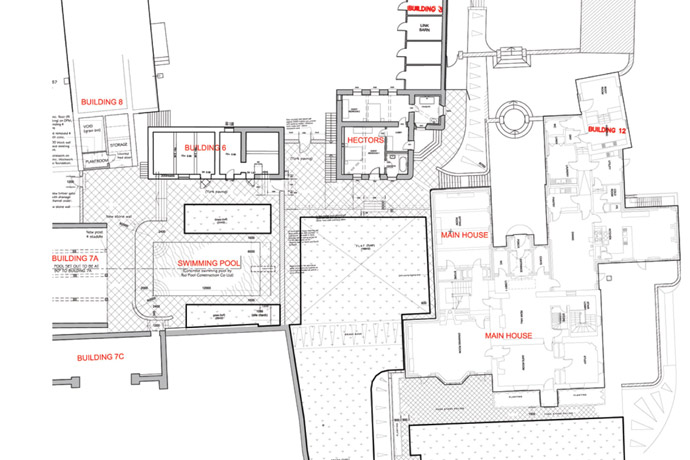
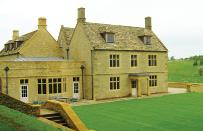
Renovation and extension of a listed farmhouse near Stow on the Wold, Gloucestershire.
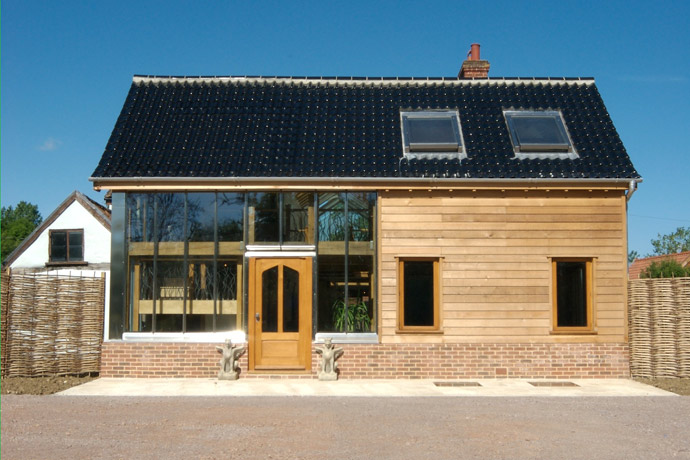
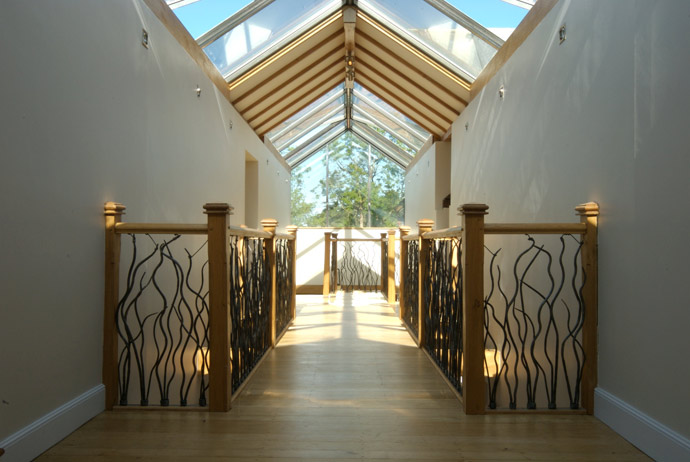
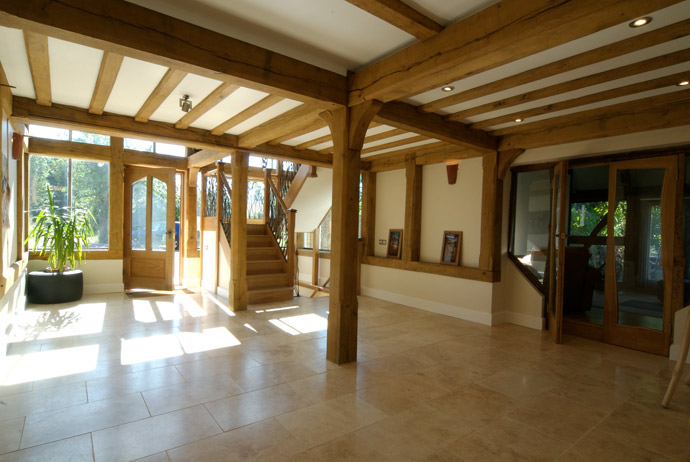
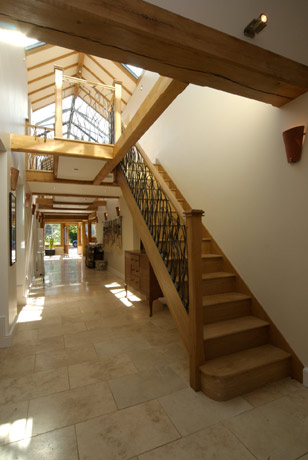
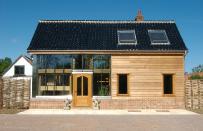
Extensions to a farmhouse and barn complex, Hethel, Norfolk. The existing farmhouse and barns at this site were connected via the new extension. A glass roofed two-storey bridge and gallery integrated the new extension with the existing farmhouse and created a new link to the existing barn range. The extension itself was a modern interpretation of a barn building; the green oak structure was wrapped in a glass screen and cedar cladding, the roof finished with glazed pantiles. The extension successfully tied together the previously detached buildings and provided new family accommodation and a basement gym. This scheme won a South Norfolk District Council design award.